It works—until the data is imperfect
One unexpected response crashes a page instead of showing a useful fallback.
FOR FOUNDERS WHO BUILT WITH AI
I find and fix the failures coding agents miss—broken customer journeys, hidden crashes, weak access controls, and release gaps—then prove your product is ready to ship.
THE PROBLEM I SOLVE
A generated app can look impressive while important failures stay invisible. I focus on the customer journey that makes or loses money, then harden the systems around it.
One unexpected response crashes a page instead of showing a useful fallback.
The test checks that code ran, not that the real result loaded and looked correct.
You cannot confidently answer whether the build, deployment, and critical flow are safe.
Agents add features quickly while access control, failure handling, and operations lag behind.
A fixed-scope engagement: one focused week from audit to handover. No retainer, no full rewrite, no open-ended scope.
REAL PRODUCT CASE STUDY · Foredawn
Foredawn is a full prediction-market application with customer trading, portfolios, referrals, sports markets, and an operator control center.
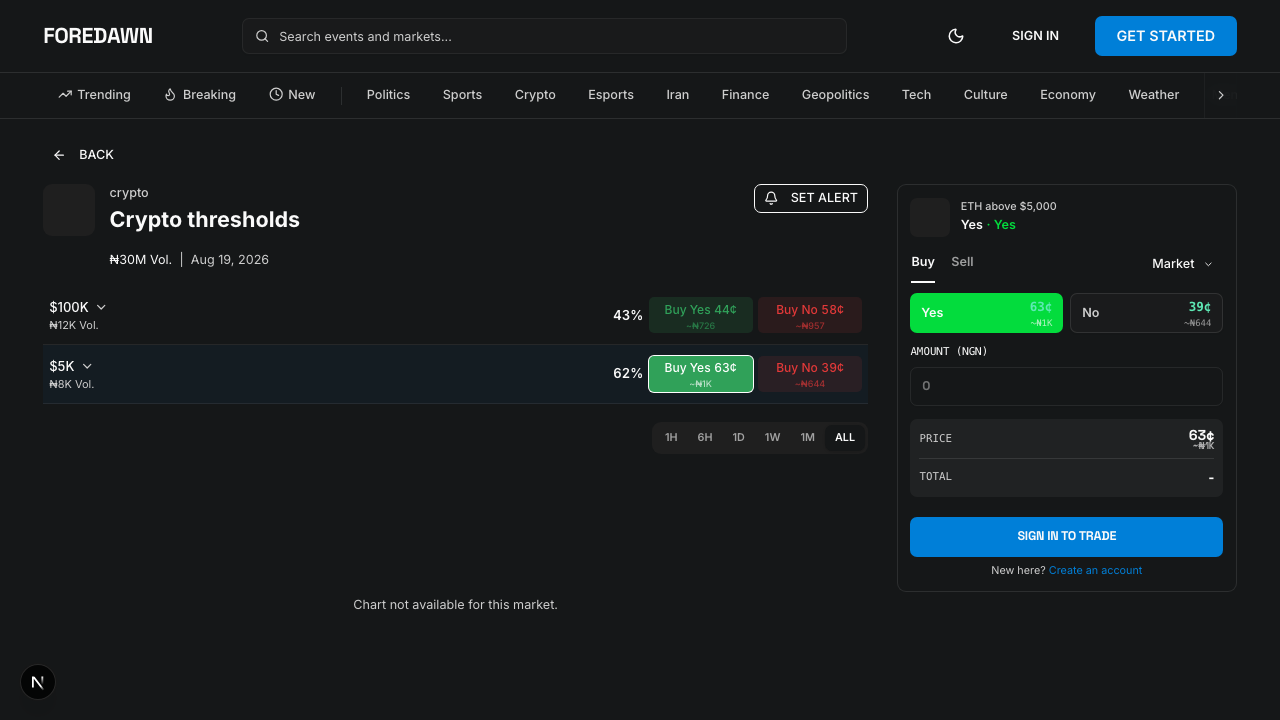
Before work began, 3,821 backend tests and all 26 browser tests passed, and both applications built. That green baseline still missed broken sharing, dashboard crash paths, an unbounded readiness endpoint, a public infrastructure diagnostic, and a release gate that did not compile the server.
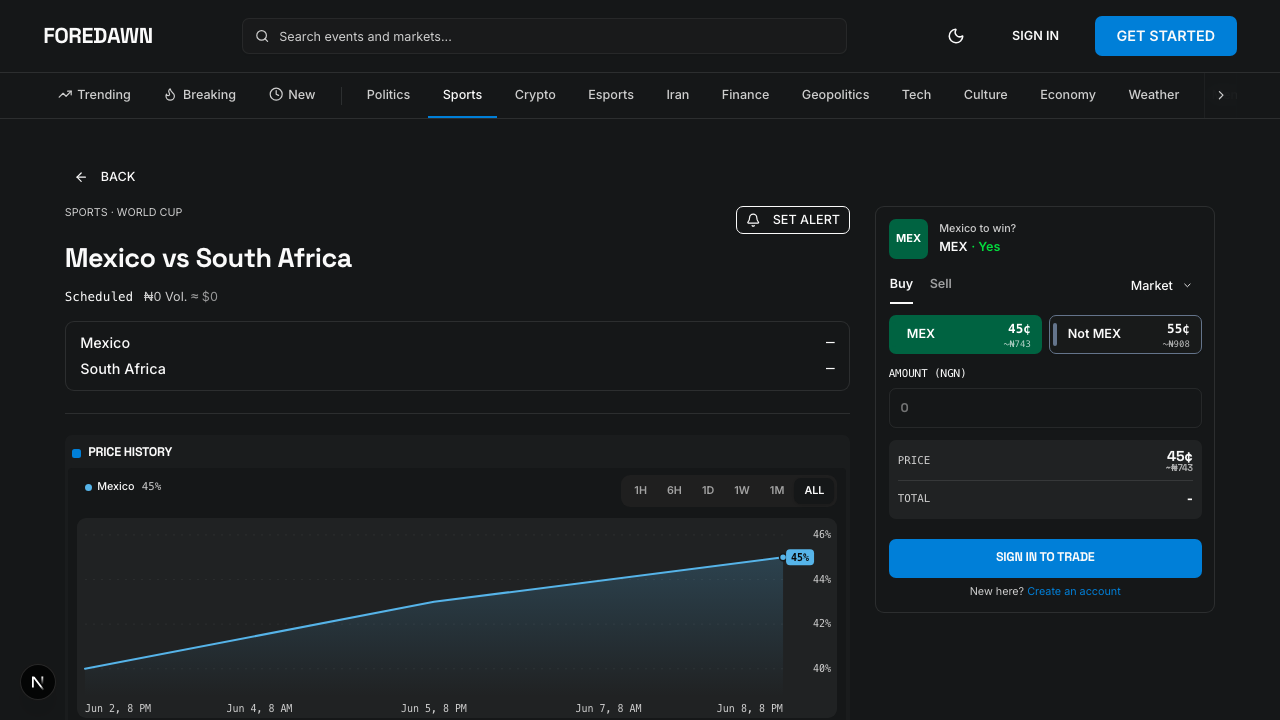
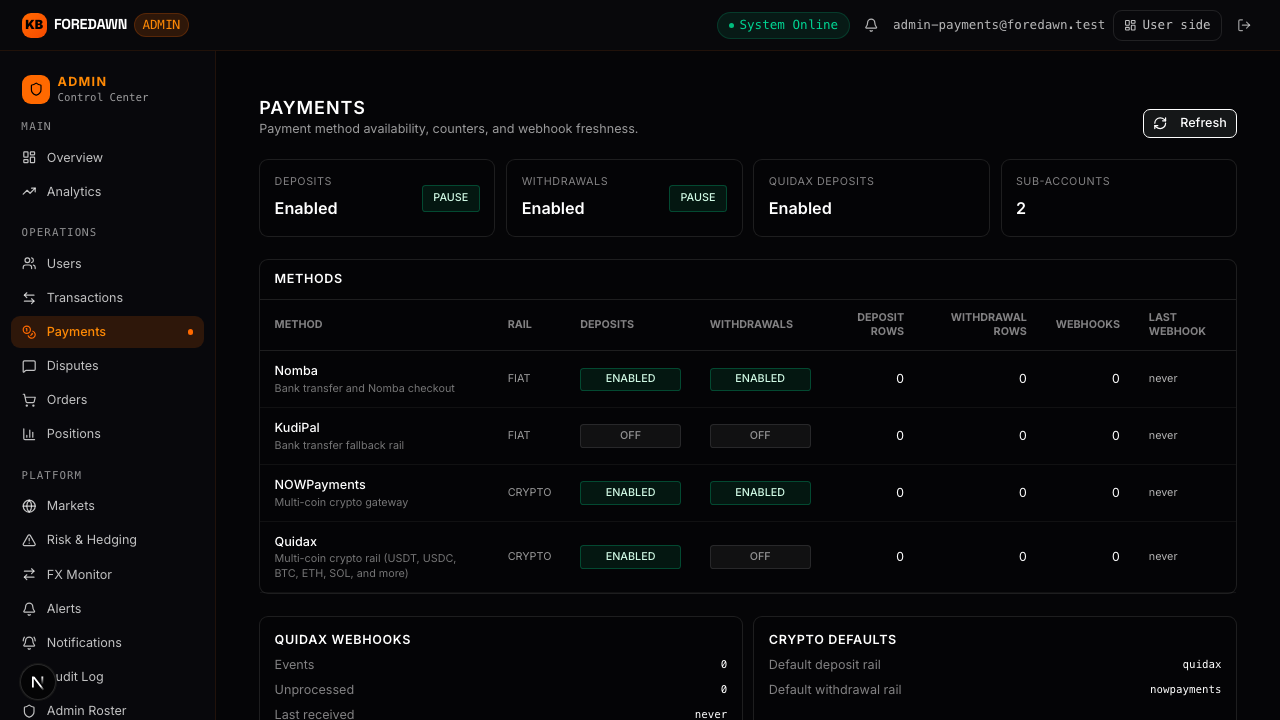
Each item below maps to implemented source, a targeted test, or reproduced build and browser evidence—not a hypothetical recommendation.
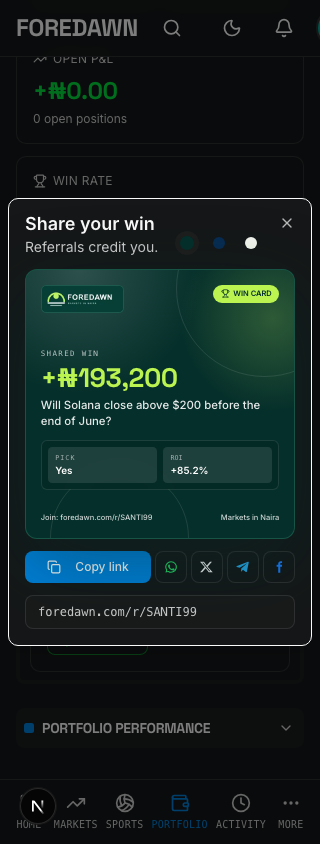
The share card rendered an empty brand frame.
Unexpected market data could reach a crashing render path.
A stalled dependency could delay the health response.
CI repaired errors and skipped the production server build.
A public endpoint exposed infrastructure egress data and made an unbounded third-party request.
THE CUSTOMER-VISIBLE FIX
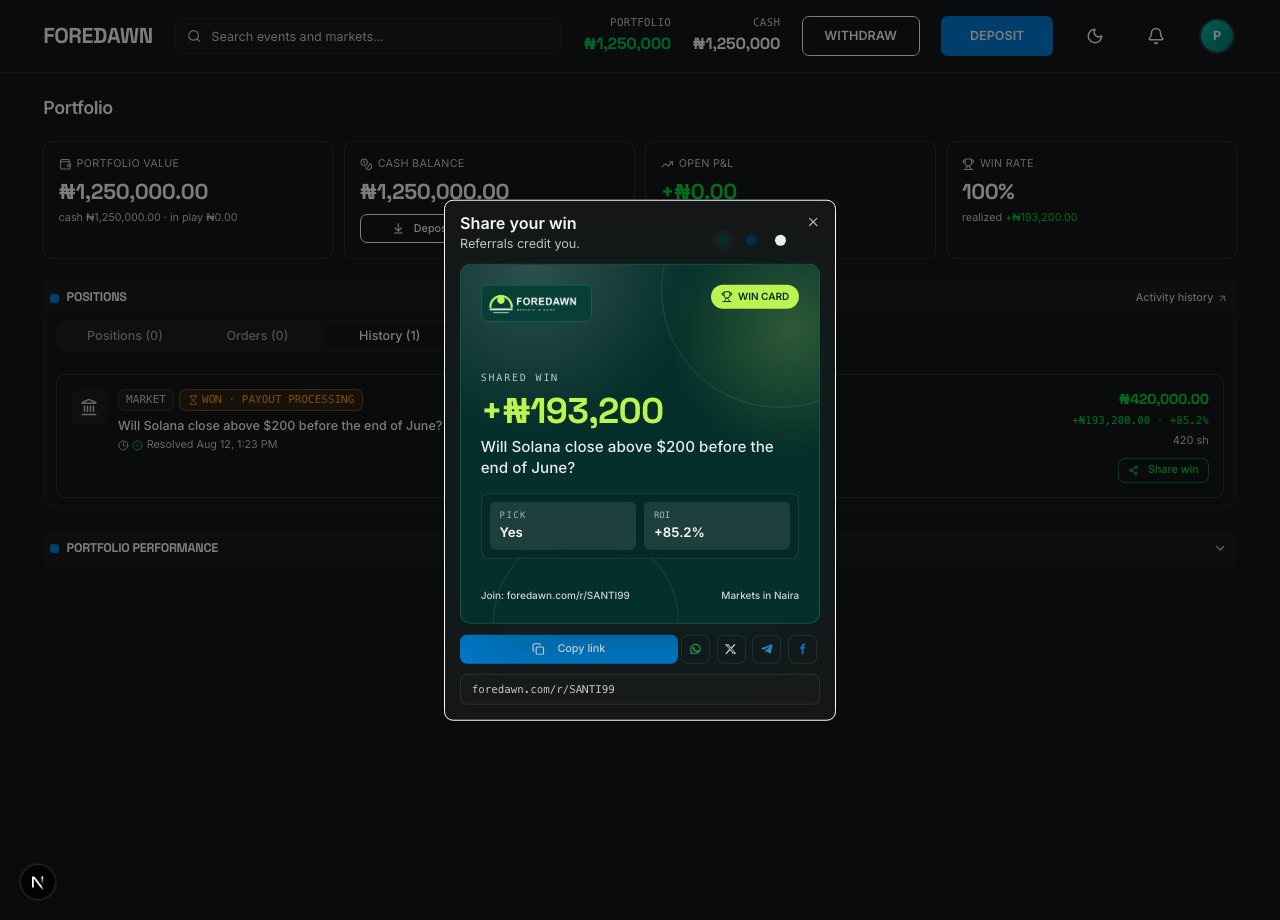
The win card asked for logo files that did not exist. The old test checked the file name, so it passed while the customer saw a blank space.
The fix added real Foredawn assets and changed the browser test to prove each image actually decoded. That turns a shallow check into evidence of what the customer sees.

Working asset · verified browser decode
THE LESS VISIBLE WORK
The assignment was not to rewrite everything. It was to close specific failure paths while preserving the product’s sensitive trading and payment behaviour.
Unexpected featured-market and breaking-news responses now fall back safely instead of reaching a crashing render path.
Found after the suite was greenDatabase, cache, and provider checks run together and return a useful degraded result when a dependency stalls.
Bounded failure instead of waitingA public diagnostic became permission-controlled, rate-limited, validated, and time-bounded.
Useful internally, closed publiclyLint checks source without silently editing it, and the backend must compile before the release gate succeeds.
Clean source plus compiled artifactNo database migration, customer balance, pricing rule, settlement logic, live payment, or production configuration was changed. High-risk money behaviour stayed behind the existing test boundary.
VERIFIED RESULT
Real customer and operator screens were exercised using safe test data. The product still builds, and the targeted failures now have direct coverage.
Trading, portfolio, mobile, sports, and admin flows exercised with safe test data.
BEST FIT
BEFORE YOU ASK
A launch-risk review should be easy to say yes to. These are the questions that usually come back in the first reply—answered plainly.
No. The review deliberately leaves the product intact. I find where real customers can break, fix those paths, and prove the result—the rest of the codebase stays exactly where it is.
That is exactly the kind of codebase this review is for. Foredawn is an AI-accelerated production app with 3,821 passing backend tests that still hid five launch-critical defects. Generated code can be hardened, not just rewritten.
One focused week: audit, fix, prove, hand over. You receive a ranked risk list early, so you can stop after the audit if that is all you need.
The default mode is read-only. I audit a local copy, walk through findings on a shared screen, and only touch code after you approve each fix. Nothing merges without your review.
Every fix ships with the same evidence as this case study: exact before-and-after source, a passing targeted test, a real production build, and a browser session of the corrected customer journey.
You keep the fixes, the evidence, and a transparent list of remaining risks and next actions. No retainer and no follow-on work pushed—the next decision is yours.
START WITH ONE CRITICAL FLOW
Send the repository, the product URL if one exists, and the one journey that matters most—signup, checkout, payment, booking, dashboard, or another revenue-critical action.
“I need a launch-risk review for my app. The critical customer journey is ______. My biggest concern is ______.”